

|
||||
|
|
||||
|
||||
|
Put yourself in their shoes |
||||
|
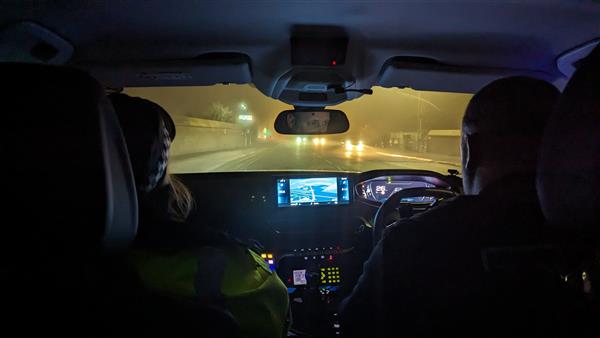
Dear Resident, Please take a moment to imagine this was your reality. You call 999 at 9.25am on a Monday. Your wife has disappeared. She must have left the house on foot when you popped to the bathroom, and that morning had been talking about finding her family. You search the local area for her for almost half an hour before becoming increasingly panicked and calling us. You confide in us that your wife doesn’t have a diagnosis yet, but is awaiting an assessment for possible Alzheimers or dementia. She went missing two weeks beforehand, too, and when we found her she wasn’t able to say who she was or where she was going.
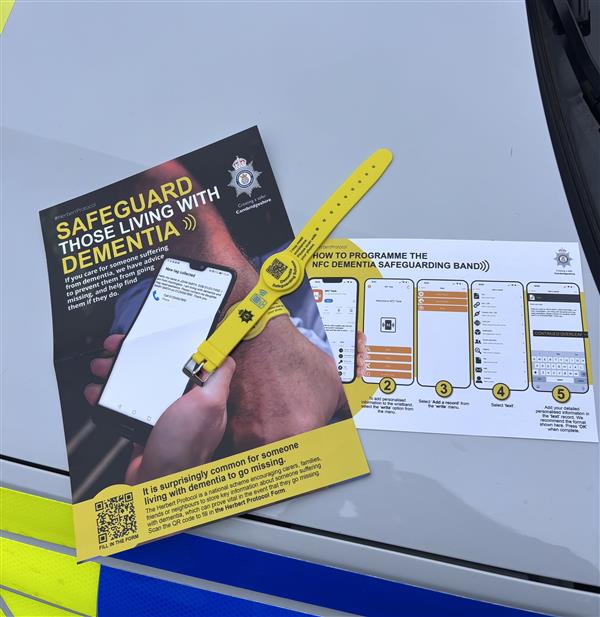
Why are we sharing this?This was the reality for one worried husband in Werrington earlier this month. Officers searched the area and found his wife at 9.46am, who was also being helped by a kind member of the public. Checks revealed that although the woman was adamant on finding her family that day, all of them had long since passed away. After reuniting the woman with her husband, we took the time to speak to him about the Herbert Protocol - a scheme we support that can help find people with dementia if they go missing.
Have you heard of it?The scheme encourages family and friends to fill out an online form that will help police if a loved one goes missing by collating key pieces of information, such as a physical description, familiar places, health details and an up-to-date photo. We helped the man fill out our online form, and he was one of 475 people that have done so since it was launched. This week is Dementia Action Week, ran by the Alzheimer's Society, and we're sharing examples like this from our call logs to highlight extra steps you can take to keep your loved ones safe. For more info about the Herbert Protocol, or to fill out an online form for people who live in Cambridgeshire, visit our dedicated web page by clicking here. Kind regards, | ||||
Reply to this message | ||||
|


|